
Olivia Pang
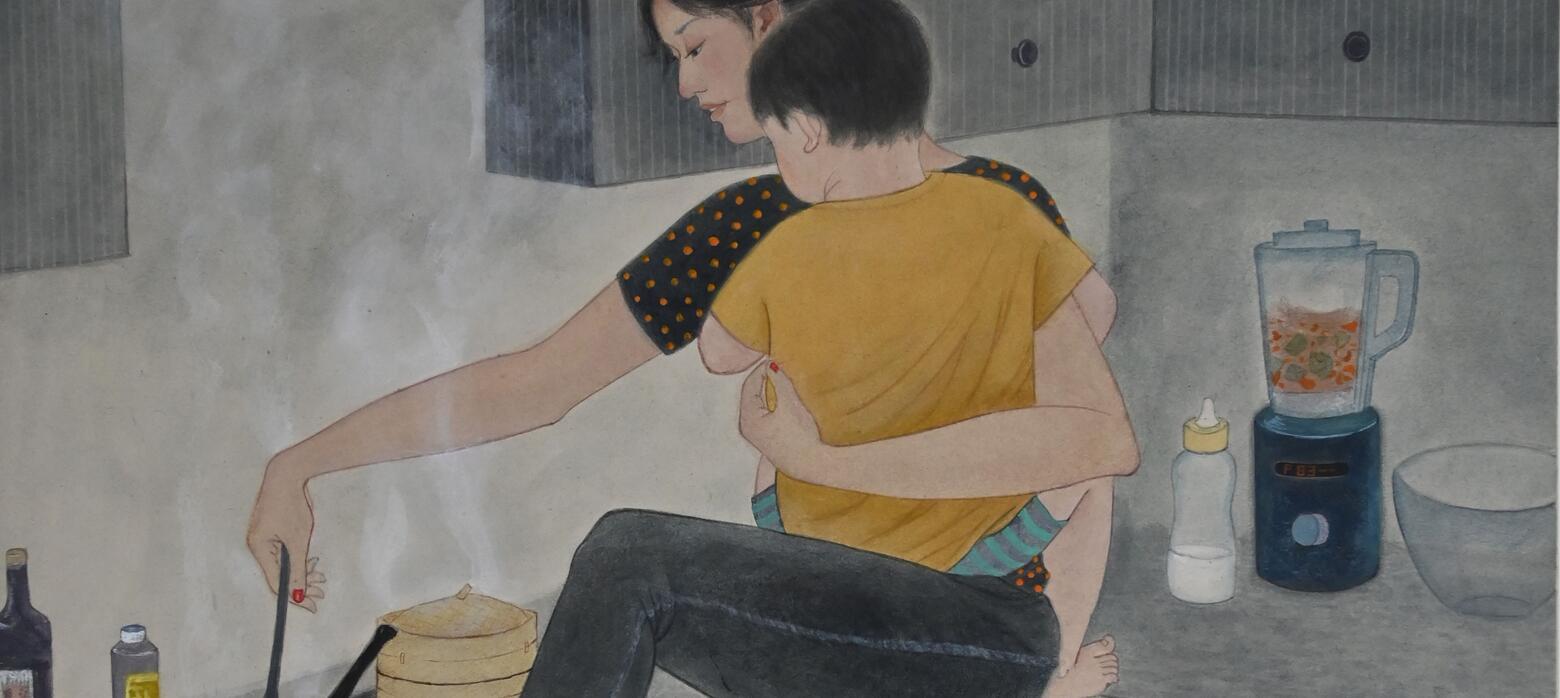
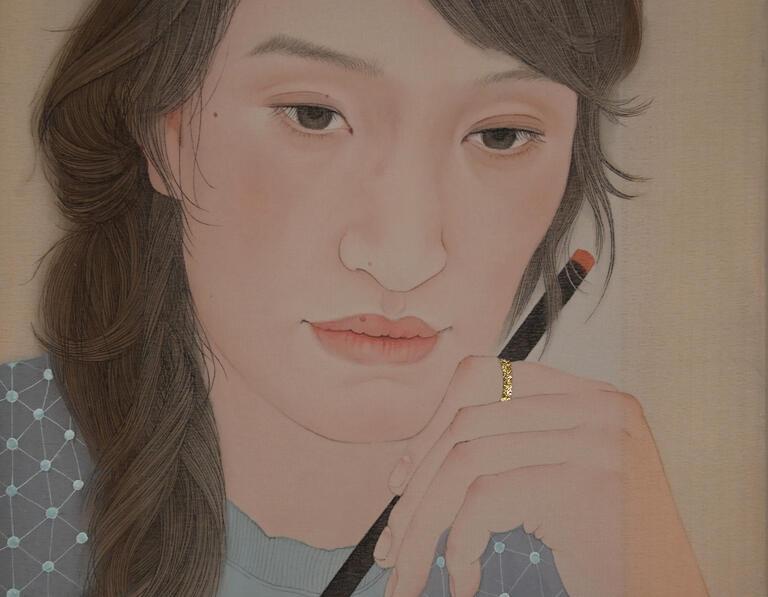
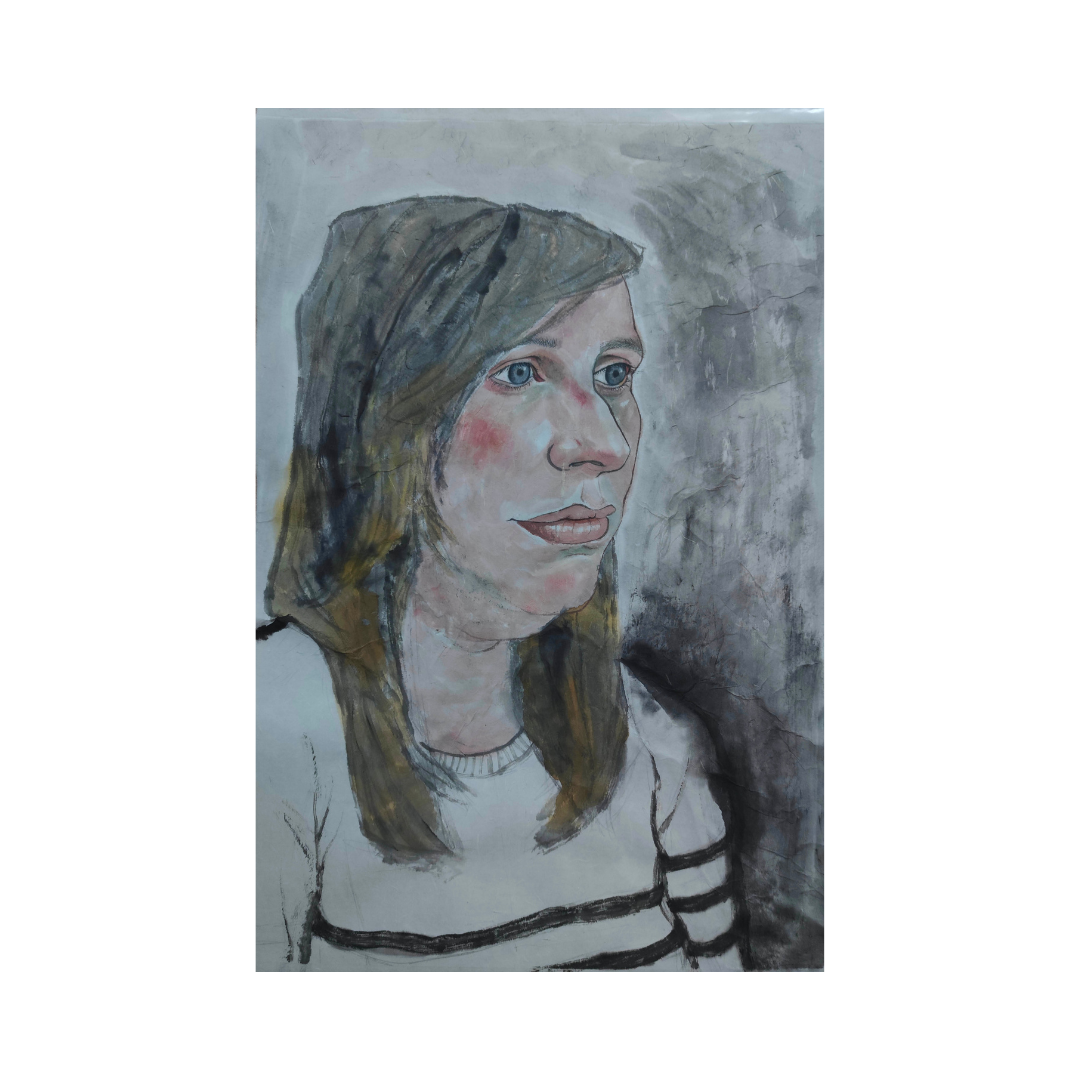
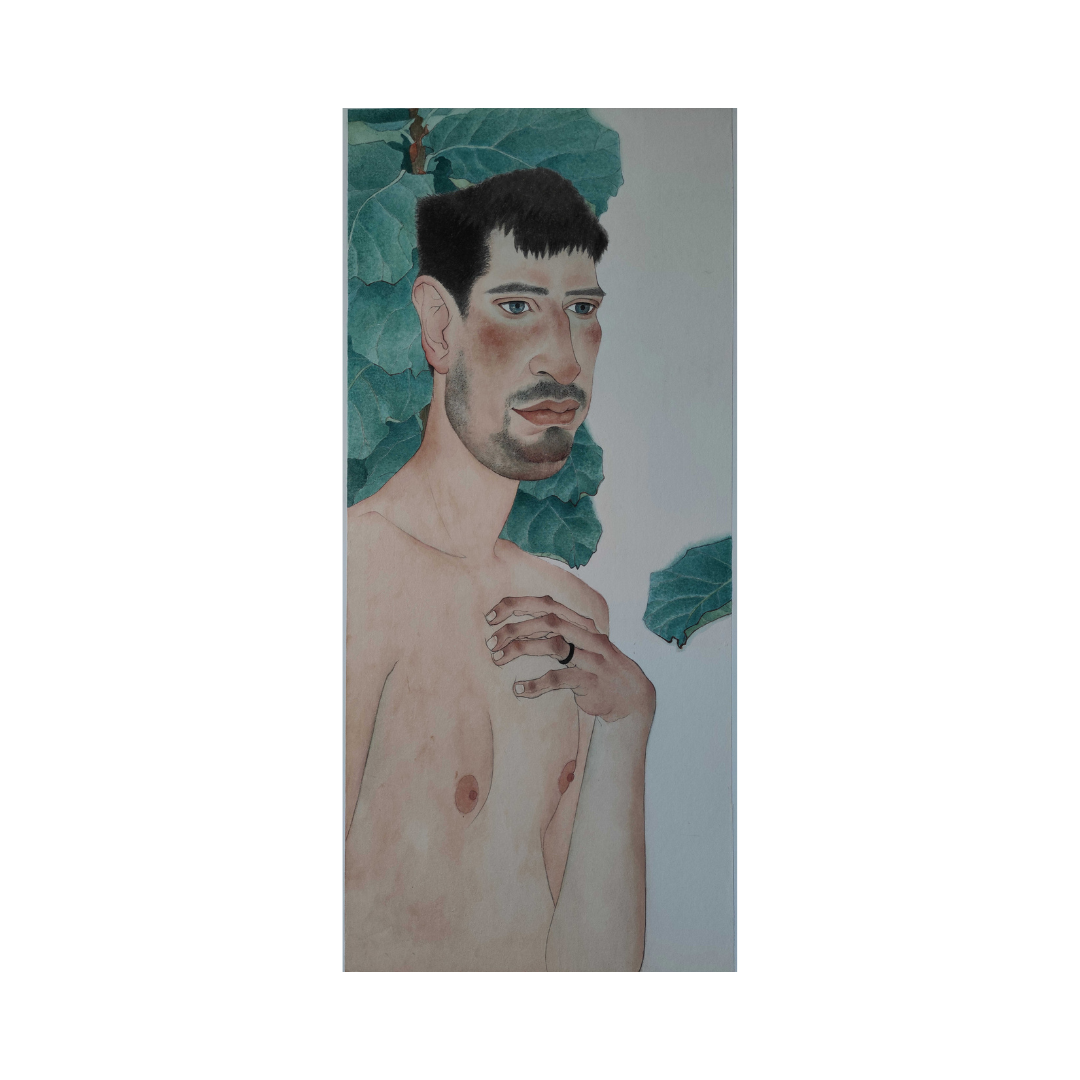
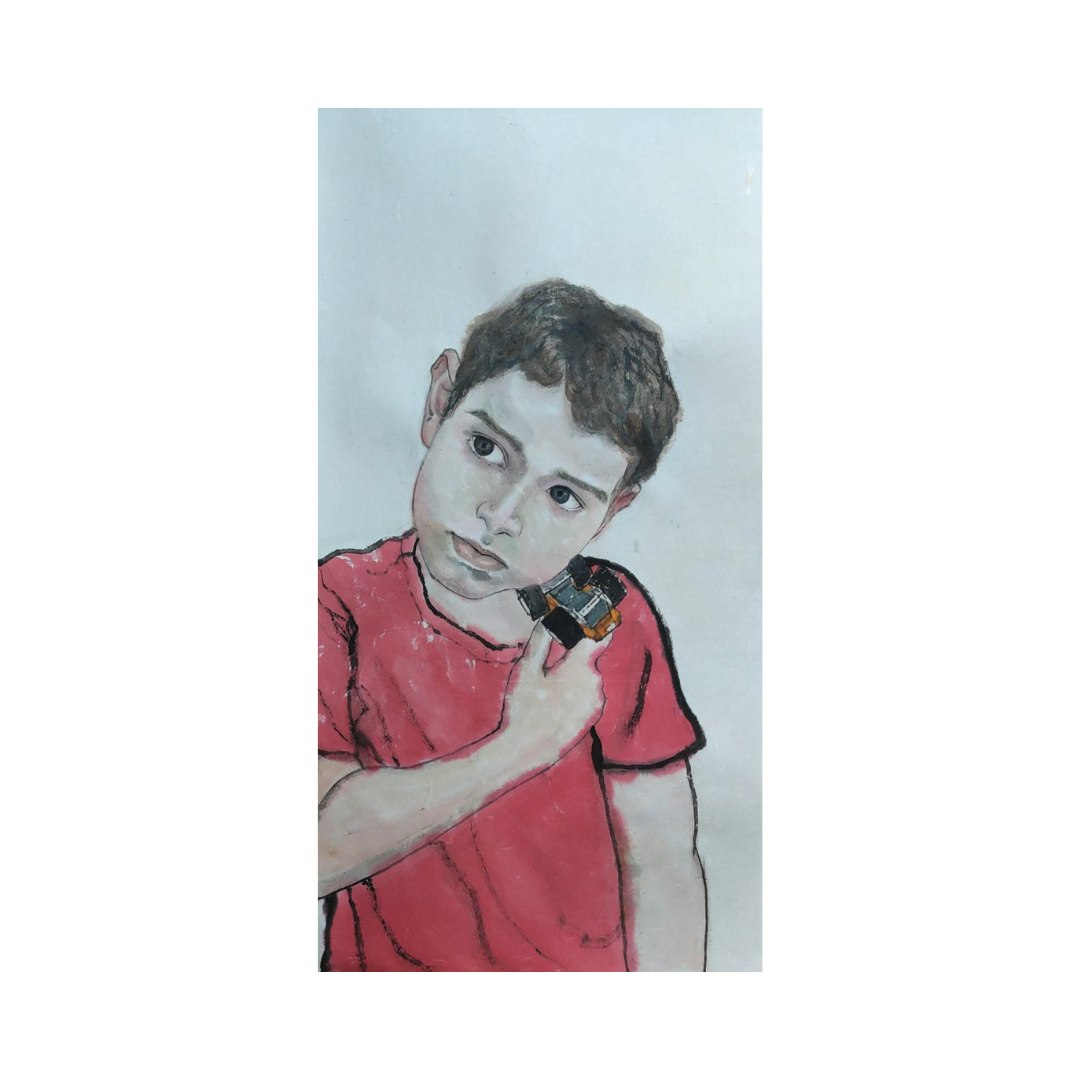
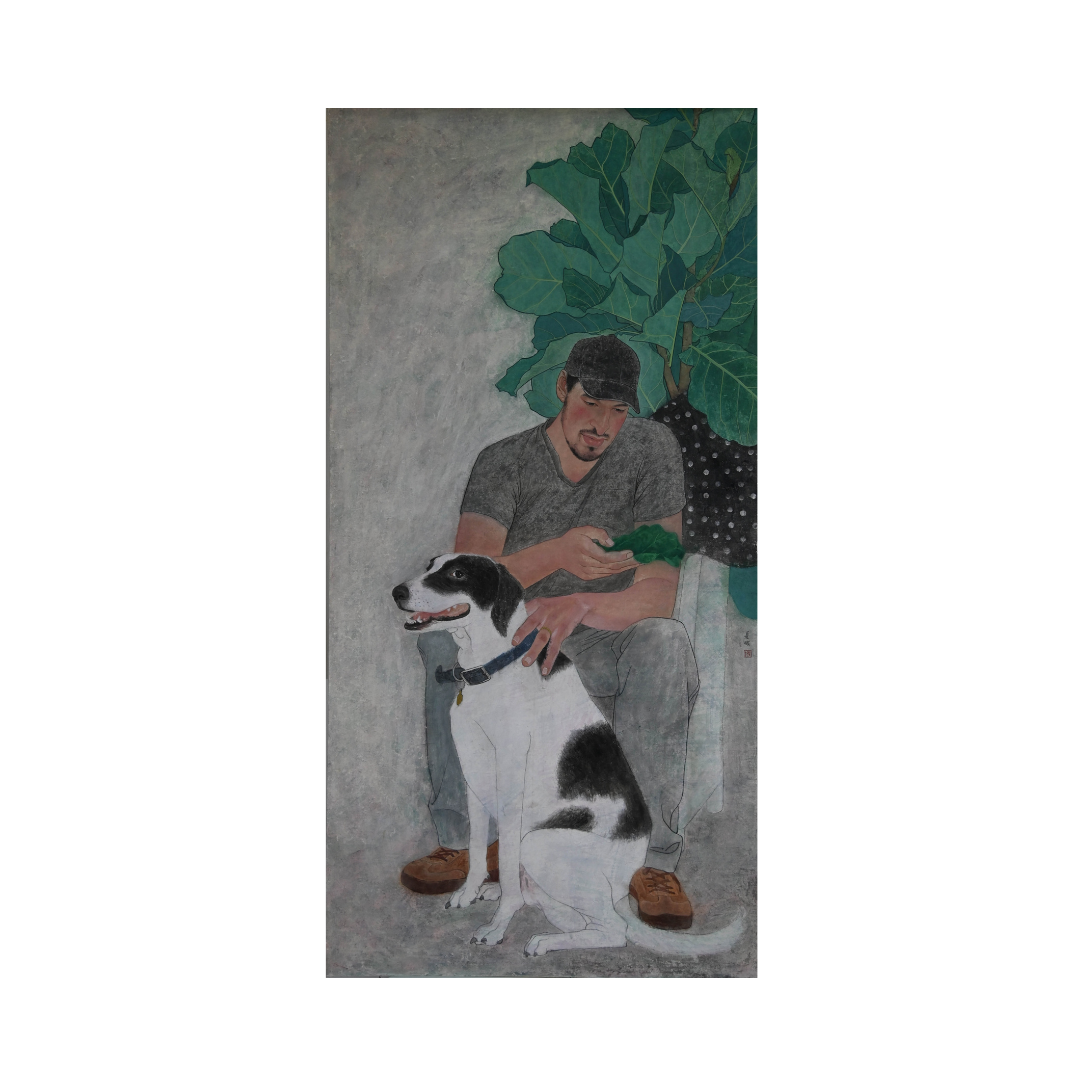
Olivia Pang (Xia Yu) is a painter working in Gongbi, the classical Chinese discipline of fine-line ink and layered mineral colour on silk. A graduate of the Chinese National Academy of Arts in Beijing, where she took her MFA in Traditional Chinese Painting, she brings to portraiture a method more often reserved for the sacred image: form built slowly through translucent washes, line before shadow, patience before likeness.
Her sitters are contemporary; the language is old. Working against the Western convention of modelling by light, she gives volume through colour and contour alone, and lets the silence of unpainted silk carry as much weight as the figure itself. Pang has exhibited at the National Art Museum of China, Museum Ludwig in Cologne, and the Mall Galleries in London with the Royal Society of Portrait Painters, where she has been selected for three consecutive annual exhibitions and, in 2026, awarded the Daler-Rowney Materials Prize. Her 2025 solo exhibition in London grew out of years spent reproducing the Buddhist cave murals of the Silk Road, while Dunhuang to Doncaster Chinese Arts Exhibition at Doncaster Museum (2025–26) set those mural reproductions alongside her contemporary Gongbi work.
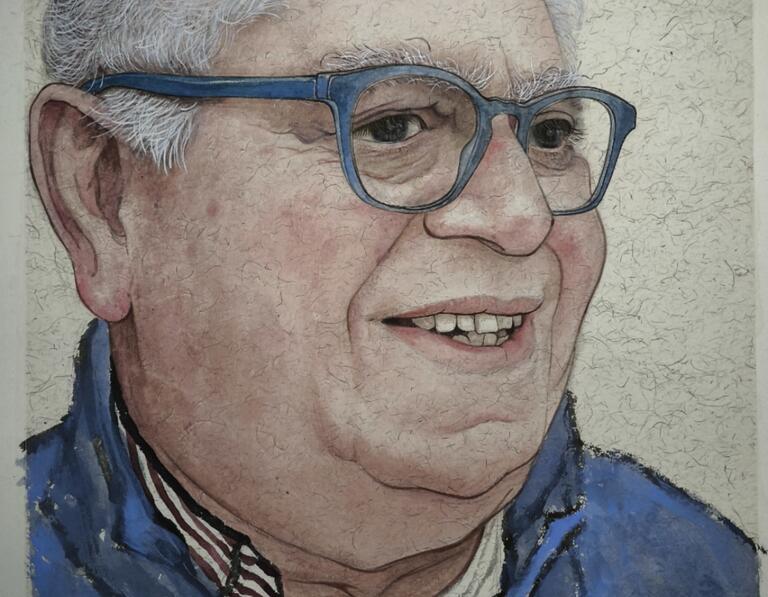
Image: Olivia Pang, Loved, there is...
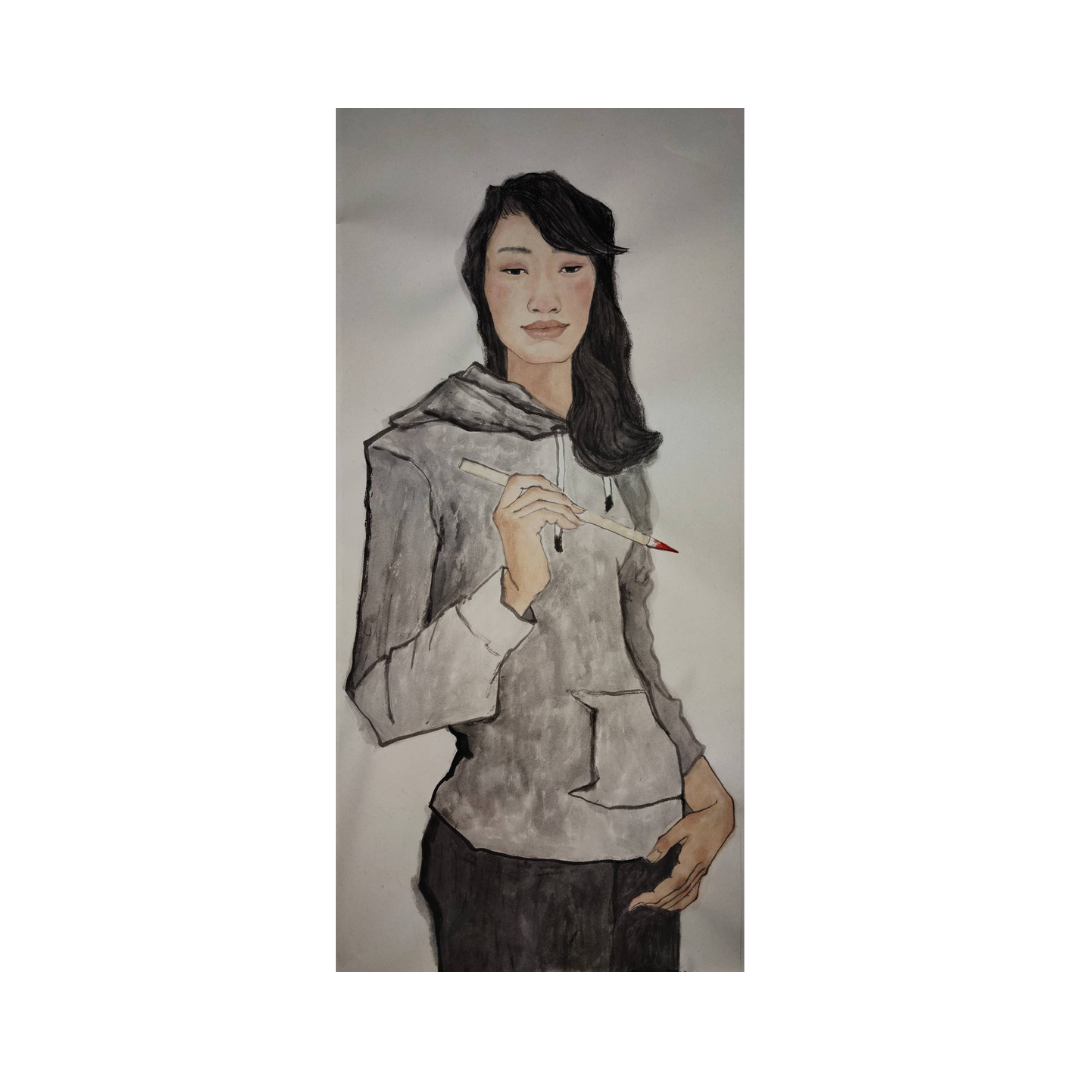
Q&A with Olivia Pang
1. What do you look for in a person before you start painting them?
I always sit down with them first and just talk. While we are chatting I am watching their face, but I am really trying to get a sense of who they are:their character, what they love doing, the little things that make them. For me, understanding someone’s personality is what helps me capture their spirit on the silk, not just their features.
2. What makes a portrait successful in your eyes?
First and foremost, it has to look like them: anyone who knows the sitter should recognise them straight away. But likeness on its own isn’t enough. A successful portrait goes further: through the subtle details of the face, it should reveal something of the person’s inner world. That’s the part that turns a good likeness into a real portrait.
3. Can you show us a portrait you’re especially proud of and explain why?
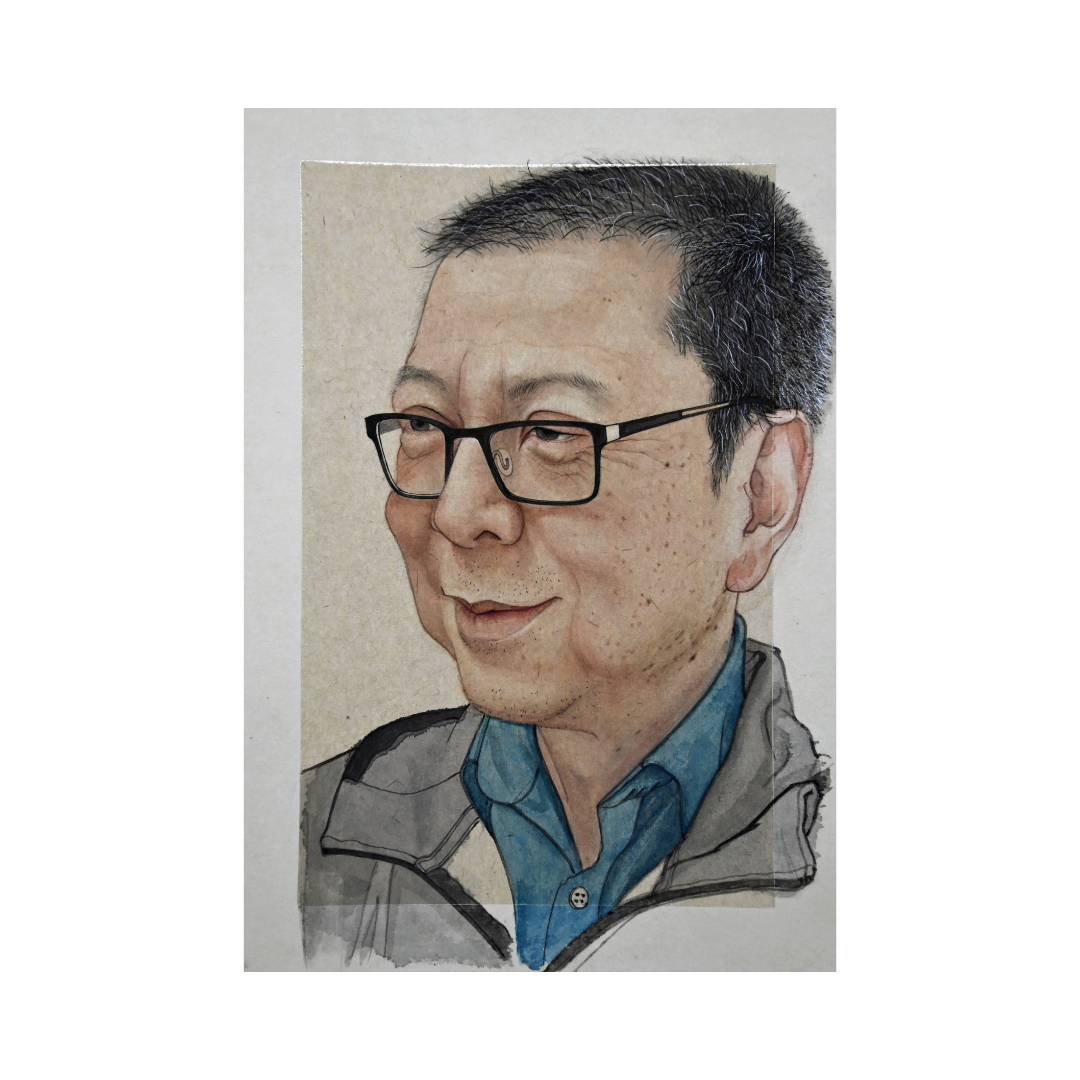
One of my favourites is The Palestinian Merchant. I met him on the train to London and we talked the whole way. He told me he’d lived in Britain for forty years. When he found out I was an artist, he looked me up on Instagram, and then asked, very sincerely, whether I would paint his portrait. Three months later I handed him the finished piece and he was genuinely moved. I’m proud of it because I feel it caught something very quiet and particular in him, not just his face, but a flicker of what was going on underneath.

Contact Us for a Portrait Commission
Martina Merelli, Art Advisory & Commissions Manager
+44 207 968 0963