Interview: First-Time Exhibitors at the New English Art Club 140th Anniversary
/ New English Art Club
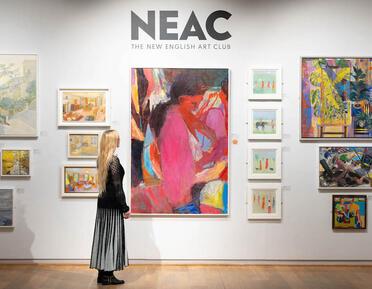
Now celebrating their 140th anniversary, each year the New English Art Club (NEAC) hosts an annual exhibition. Featuring the renowned and emerging talents of member and non-member artists (who are selected through an open call), the exhibition champions drawing and painting grounded in direct observation. This interview feature offers insight into works by three first-time exhibitors with the society, each with a unique approach to painting and drawing from life.
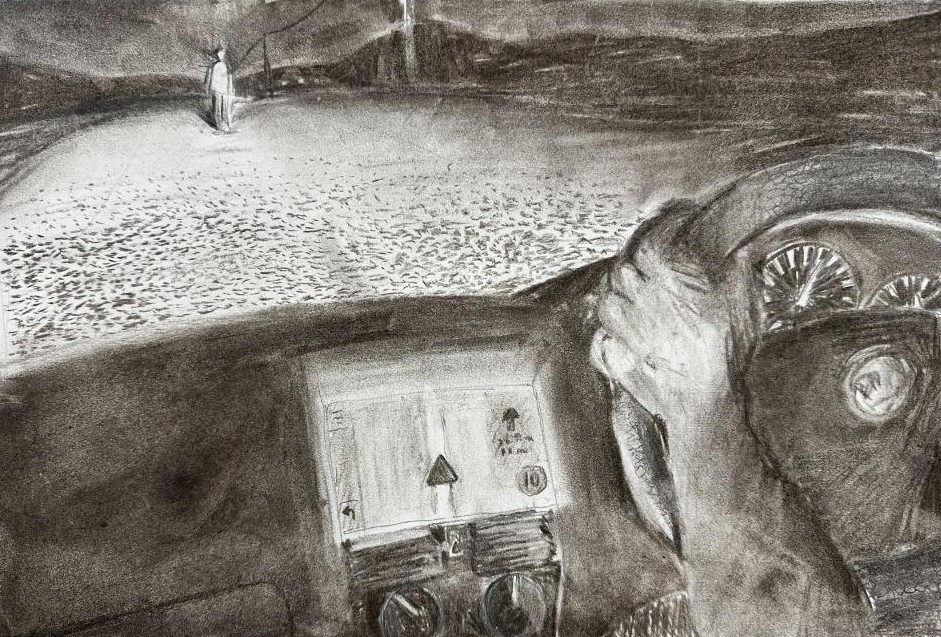
Tom Oxley
1. Could you please tell us about the artwork you are exhibiting at the New English Art Club 140th Anniversary Exhibition?
In Lonely Road, I used observation, memory and imagination to create a piece that expresses the universal experience of journeying. I worked with charcoal as my favoured medium for contrasting the light and dark areas. It’s this that conveys the atmosphere of the piece, which is important to me.
2. How would you describe your practice as an artist?
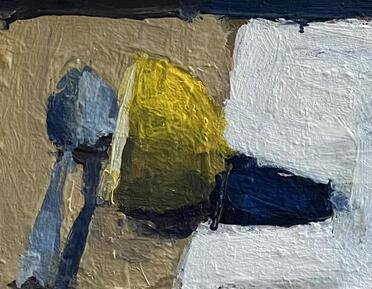
I use a range of mediums and methods. I am comfortable using traditional materials as well as working digitally. When I’m creating a piece, it might be observational or inspired by imagination. For example, in a painting of a plug socket I am reacting to the light and colour already in place. In the piece in the exhibition, it is a creation based upon what I saw and how I wanted to communicate it.
3. What draws you to working with charcoal and pencil?
Charcoal is an ideal medium for conveying tone and depth, and pencil is perfect for the finer detail. Also, pencil connects in a way I like to the paper. I have a lot of experience working with both, so that familiarity translates into the marks I make. I have been influenced by many artists who use charcoal in their work.
4. How did you find out about the New English Art Club and what encouraged you to apply to their annual open call?
I became aware of the NEAC a few years ago through contacts and because of artists I’ve followed. In the last year I started following the progress of a current NEAC scholarship artist. My former mentor and tutor Grant Watson has influenced and inspired me for some time. He and other artists I follow, like John Dobbs, are NEAC members. To be exhibiting alongside NEAC members is an exciting opportunity for me as an artist early into my career.
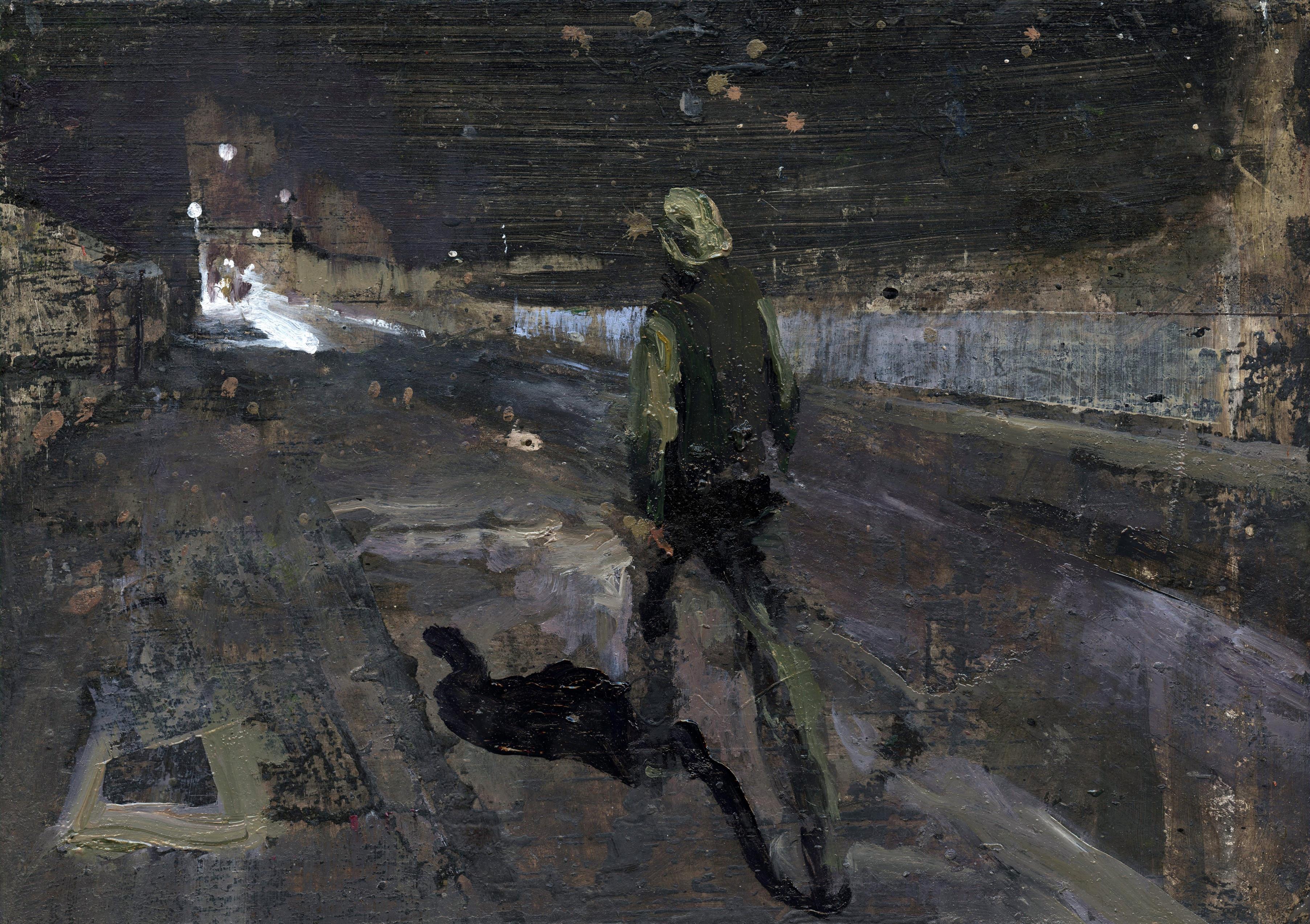
Alexandros Kalogerakis
1. Could you please tell us about the artwork you are exhibiting at the New English Art Club 140th Anniversary Exhibition?
Saint is a small painting on board of a best mate I've known since childhood, striding down a rugged Hawthorne Avenue, Hull. A lot of my art has depicted him in the small area we live, often using him as an archetypal symbol for the overlooked experience of being a young lad from Hull. Despite the bleak circumstances he grew up in, I am forever inspired by his strong moral compass and liberating honesty. I called the painting 'Saint' because I felt my technique captured my strong belief in him, his spirit and devotion to his truth in an environment rife with scapegoating and conflict. It is an example of a deep held melancholy in my work that reveals hope and beauty in the underdog going through adversity.
2. How would you describe your practice as an artist?
I draw and paint and dabble in film photography, and am interested in the unknown, trying to abandon formulas and explore new approaches. Image making has always been for my health and is a means to access an ecstatic state, like hip-hop dancing used to be for me as a kid. I've found that it lets unconscious material be discovered or remembered, and is an often spontaneous expression of my inner world. I want to re-enchant the small area of Hull where I was born, and make vivid a richer worldview for future generations, to capture its poetic mythology. I have a strong tie to the derelict trawling factories and buildings here, and draw upon the lives of the people closest to me and the landscapes we live in, aiming to excavate a sacred ‘otherworld’ that underpins our lives. Sometimes I make album covers in underground hip-hop.
3. What draws you to working with oil paint?
Oil paint is obviously very versatile and the subtlety of colour is needed for the atmospheres I want in my work. It is sufficient to express a lot of what I want to say. I first got into it because my high-school art teacher showed me Frank Auerbach and I realised how radically it had been used. I love how much there is to endlessly experiment with, whether the methods are traditional or unorthodox.
4. How did you find out about the New English Art Club and what encouraged you to apply to their annual open call?
Pete Brown told me about the open call through Instagram and had kindly encouraged me to enter, as well as other NEAC artists. I had not heard of it until this but I am honoured to have been selected to exhibit my work in such a prestigious show at Mall Galleries.
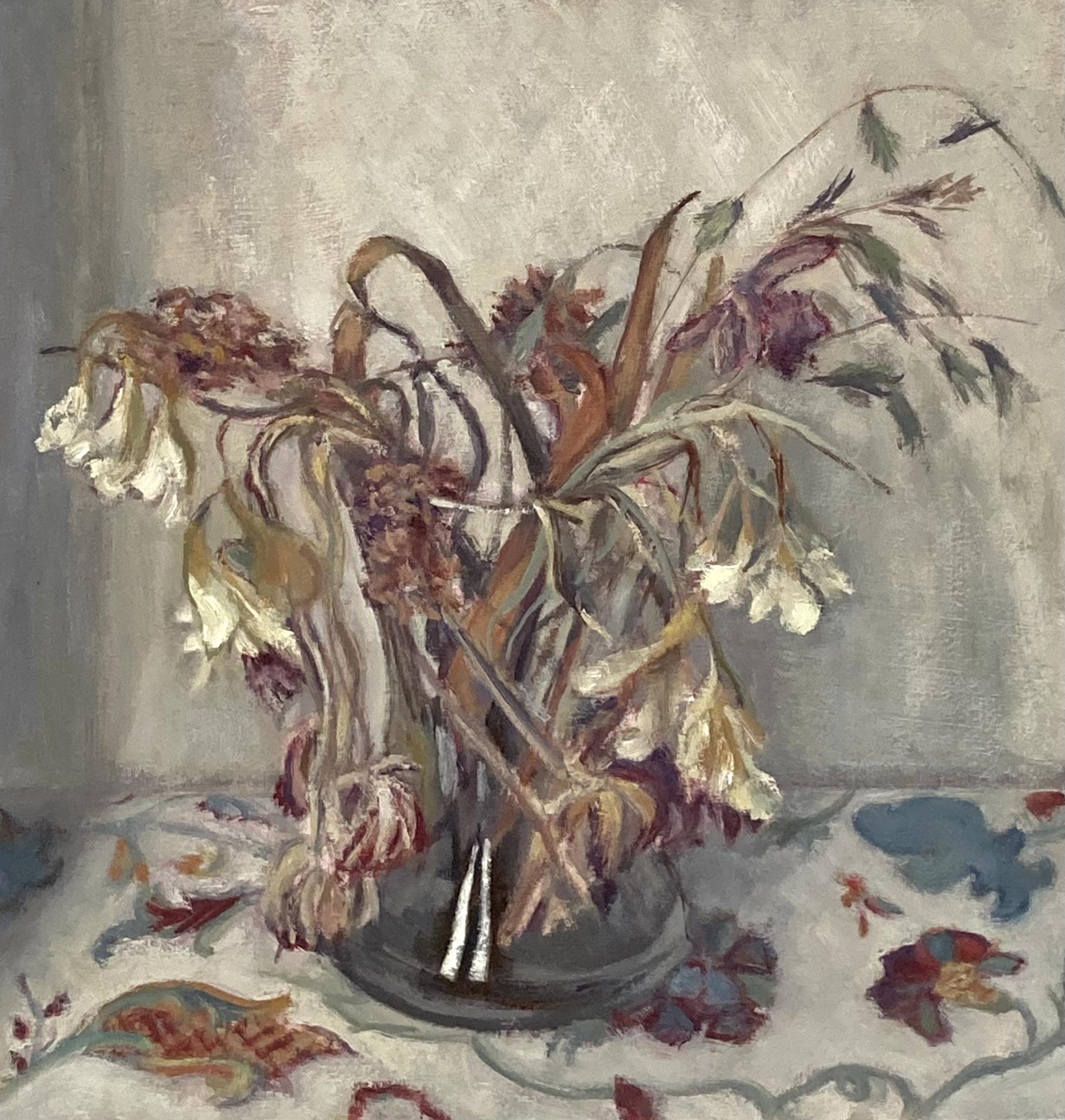
Joanna Bridge
1. Could you please tell us about the artwork you are exhibiting at the New English Art Club 140th Anniversary Exhibition?
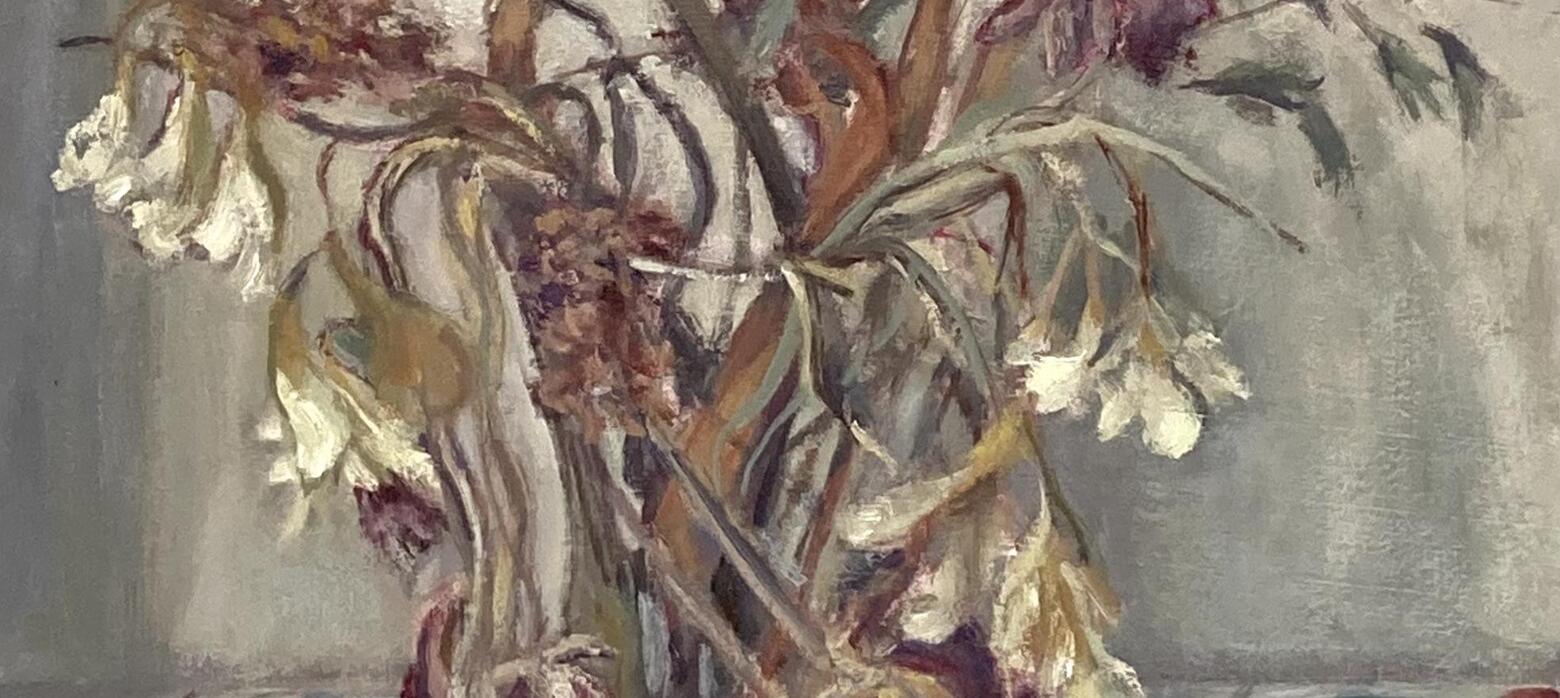
I painted this bunch of tulips, freesias and hyacinths featured in Suzanne's Tulips 5 many times. It was given to me last year by a dear friend and neighbour, Suzanne, in memory of my son, Benedict. As the blooms faded, I painted them in various stages of wilt. I liked the shapes they made as the stems weakened and the heads drooped. The colours became richer as they aged, until eventually everything twisted and dried, fading to a pale straw colour. I changed the cloth for each painting. In this one, the way the flowers in the vase connected with the colours and shapes of the flowers in the cloth interested me, how the dying flowers fell to meet the ones beneath them.
2. How would you describe your practice as an artist?
I feel most absorbed in a painting when I paint from life and love the concentration it demands. I work mainly in oils and pastels either painting everyday objects and flowers in my studio or landscapes en plein air. I also enjoy painting people when I can find willing subjects. I would like to do more portraiture. Recently I have been trying to develop charcoal sketches into oil paintings.
3. What draws you to working with oil paint?
I like the way oil paint moves on board, how it can be liquid and slippery but also dry, pastel-like. Because oil paint is slow to dry, I can work on a painting over several weeks. I like the smell of oil paint and associated mediums and the process of mixing colours. I am inspired by the work of many painters, including Cezanne, Bonnard and Gwen John.
4. How did you find out about the New English Art Club and what encouraged you to apply to their annual open call?
I heard about the New English Art Club through Tom Benjamin, whose classes I have attended over several years. He told me about the NEAC open call last year. I am so grateful to him for all his help and encouragement. This is the first time I have exhibited a painting.
Browse and Buy
Browse and buy these and many more artworks at the NEAC 140th Anniversary Exhibition.